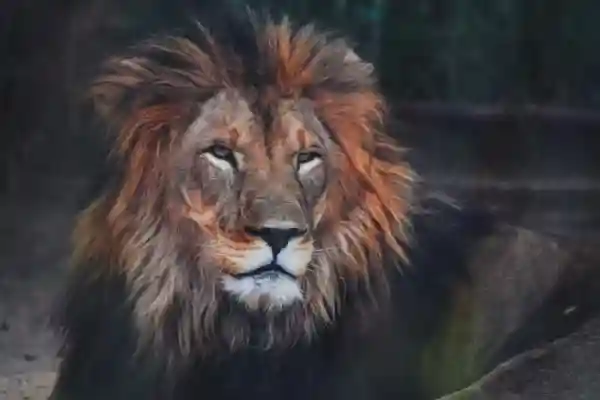
Wild animal photography is more than just taking pictures of animals in natural habitats. It is a way of observing, documenting, and connecting with the natural world in its most authentic form.
Through patience, timing, and respect for wildlife, photographers capture moments that reveal behavior, survival, beauty, and vulnerability. This form of photography is important not only for artistic expression but also for education, conservation awareness, and personal growth. It allows individuals to see nature from a perspective that is often inaccessible in daily life.
Building Awareness with Wild Animal Photography
One of the most significant benefits of wild animal photography is its ability to increase awareness about wildlife and ecosystems. Many animals live in environments that people rarely experience directly, such as remote forests, oceans, deserts, and mountains. Photography brings these hidden worlds closer.
Images of wild animals in their natural habitats help people understand how animals live, hunt, migrate, and interact with their environment. This awareness often leads to a deeper appreciation for biodiversity and the importance of protecting natural habitats.
When people see wildlife through powerful imagery, they are more likely to recognize the impact of human activity on ecosystems. This can encourage more responsible behavior and environmental concern.
Conservation Efforts
Wild animal photography plays a crucial role in conservation. Photographs can document endangered species, habitat loss, and environmental changes over time. These visual records are often used by researchers, conservation groups, and environmental organizations to support protection efforts.
Images of rare or threatened animals can help raise public interest and encourage funding for conservation projects. When people emotionally connect with animals through photography, they are more likely to support efforts to protect them.
Photographers often act as storytellers for wildlife, highlighting both beauty and fragility. This storytelling can influence policies and public attitudes toward conservation.
Personal Growth
Engaging in wild animal photography also contributes to personal development. It requires patience, focus, observation, and adaptability. Wildlife is unpredictable, and capturing the perfect moment often involves long periods of waiting and careful planning.
Photographers learn to appreciate silence, attention to detail, and respect for natural rhythms. These skills can translate into greater mindfulness and improved concentration in everyday life.
Spending time in natural environments can also reduce stress and improve mental well-being. The combination of creativity and outdoor exploration creates a rewarding and grounding experience.
Understanding Animal Behavior
Wild animal photography provides valuable insight into animal behavior. By observing and capturing animals in their natural surroundings, photographers can study feeding habits, social interactions, movement patterns, and survival strategies.
Unlike controlled environments such as zoos, wild settings show animals behaving naturally without human influence. This makes photography a useful tool for both scientific observation and educational content.
Understanding animal behavior through photography also fosters respect for wildlife. It encourages ethical practices such as maintaining distance, avoiding disturbance, and preserving natural habitats.
Creativity and Expression
Wild animal photography is also a powerful form of artistic expression. Each image captures a unique moment that cannot be replicated. Lighting, movement, composition, and timing all come together to create visually striking results.
Photographers develop a creative eye for detail, learning how to frame scenes that tell a story without words. Every image can convey emotion, tension, beauty, or survival in a single frame.
This creative process allows individuals to express their perspective of the natural world while building a personal style and artistic identity.