For experienced photographers, portrait quality rarely fails because of exposure or focus. It fails because of perspective decisions. Portrait lens focal selection controls how faces feel, how space reads, and how viewers emotionally connect with subjects. The right choice improves comfort, consistency, and professional reliability. This guide focuses on strategic thinking rather than rules, helping you make better focal decisions under real working conditions.
Reframing Focal Length as a Creative Decision Tool
Focal length is not just a technical specification. It is a creative lever that shapes viewer perception. Many photographers lock themselves into habits without questioning whether their usual lens still serves the subject or intent. Treating focal length as a decision tool encourages deliberate choices. When you stop defaulting to comfort lenses, portraits become more intentional and visually honest.
Facial Perspective and Visual Accuracy
Portrait lens focal decisions directly affect facial realism. Perspective distortion happens due to camera distance, not lens flaws. Shorter focal lengths force closer distances, exaggerating features. Longer focal lengths increase distance, flattening proportions. The challenge is choosing a focal length that preserves natural proportions without creating emotional detachment. Experienced photographers balance realism with aesthetic compression based on subject, mood, and purpose.
Working Distance and Subject Comfort
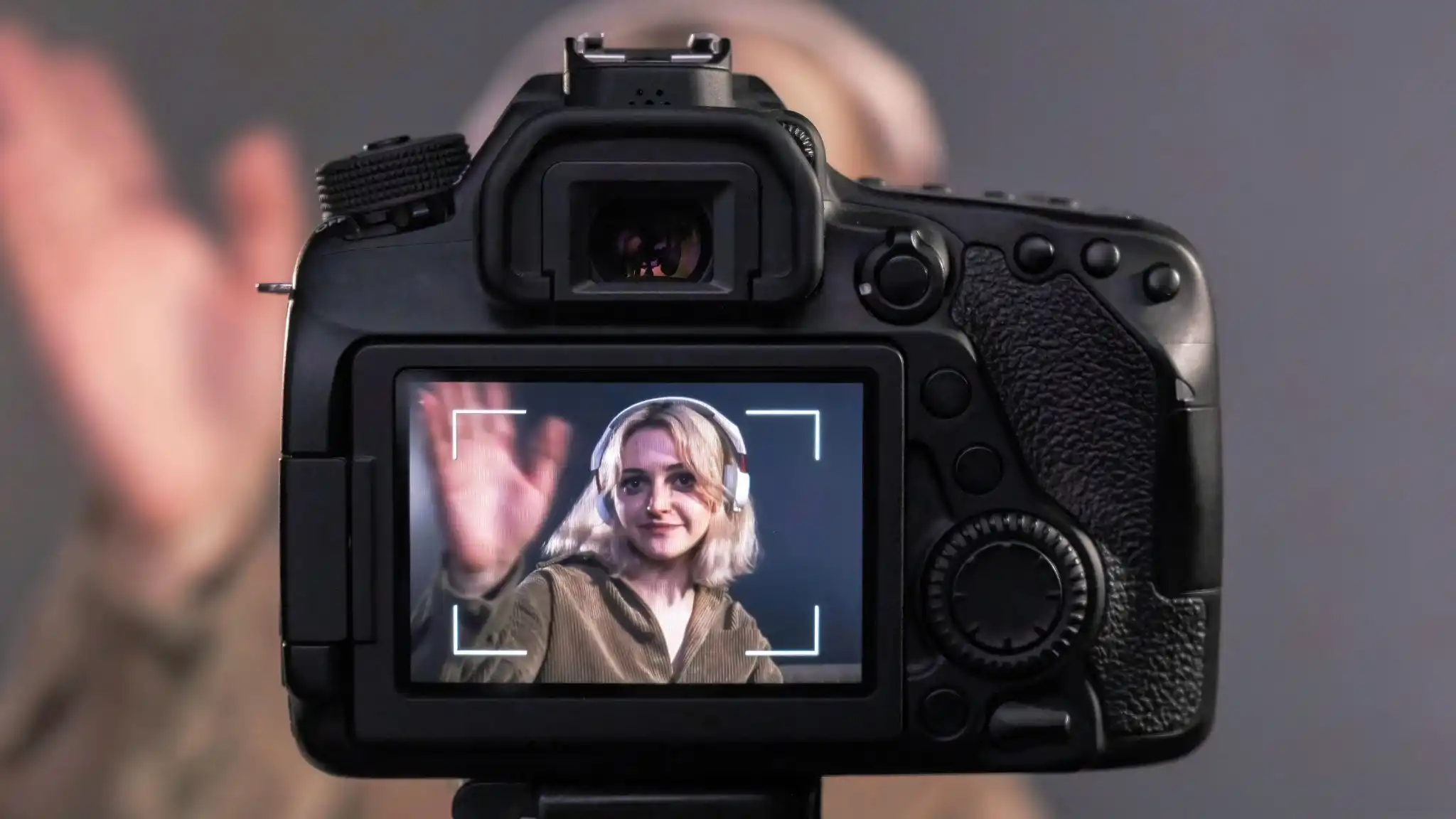
Distance changes how subjects behave. Being too close can increase tension and self-consciousness. Standing too far away can disconnect the photographer and the subject. Focal length determines this working distance. Professionals choose lenses that allow natural communication while maintaining a flattering perspective. Comfort improves expression quality. Expression quality improves final results. This relationship matters more than theoretical sharpness or background blur.
Evaluating 50mm as a Portrait Choice
The 50mm focal length often divides opinion. It offers a natural perspective and works well for environmental portraits. However, when used too closely, facial distortion becomes noticeable. Experienced photographers treat 50mm as situational rather than universal. It excels when context supports storytelling. It struggles when used for tight headshots. Understanding this distinction prevents inconsistent results.
Understanding the Appeal of 85mm
The 85mm focal length remains popular for practical reasons. It offers balanced compression without forcing excessive distance. Facial proportions remain flattering. Subject separation is easy to control. This focal length provides consistency across lighting conditions and environments. Professionals rely on it not because it is fashionable, but because it produces predictable, repeatable outcomes under pressure.
When 135mm Becomes a Strategic Choice
The 135mm focal length delivers strong compression and background isolation. It works exceptionally well for controlled sessions with sufficient space. However, it introduces challenges. Communication becomes harder. Movement feels restricted. Inexperienced use can lead to emotional distance in portraits. Professionals deploy this focal length intentionally, often for editorial or stylized work rather than intimate sessions.
Bokeh Lens Expectations Versus Reality
Many photographers equate portrait success with blur strength. This thinking oversimplifies visual storytelling. Focal length affects bokeh character, not just quantity. Longer focal lengths compress backgrounds, creating smoother transitions. However, excessive blur can remove context that strengthens portraits. Experienced photographers prioritize separation clarity over background disappearance. A good bokeh lens supports the subject rather than overpowering it.
Sensor Size and Practical Focal Adjustments
Sensor size changes how focal length behaves in practice. Crop sensors reduce field of view, affecting working distance and framing. Professionals adjust behavior rather than obsessing over equivalence math. Testing lenses at real distances reveals more than charts. Understanding how your sensor impacts interaction and composition leads to better decisions than relying on theoretical comparisons.
Matching Portrait Optics to Intent
Not all portraits serve the same purpose. Headshots demand accuracy and consistency. Lifestyle portraits benefit from environmental context. Editorial portraits balance mood with realism. Each intent favors different focal ranges. Experienced photographers match portrait optics to purpose rather than forcing a single lens to do everything. This adaptability separates professionals from enthusiasts.
Studio Versus Location-Based Decisions
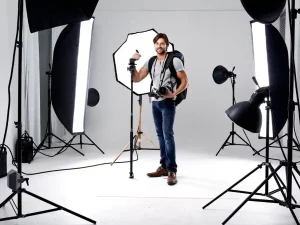
Studios offer control but limit space. Long focal lengths may feel restrictive indoors. Location work introduces variables like background distance and movement. Professionals choose focal lengths that complement the environment rather than fighting it. Strategic adaptation reduces friction during sessions. Reduced friction improves pacing and subject confidence.
Professional Judgment and Client Expectations
Client work demands predictability. Experimental focal choices carry risk. Professionals weigh creative ambition against delivery reliability. Clients rarely care about lens choice, but they care about how they look. Choosing a focal length that consistently flatters most faces builds trust. Trust leads to repeat work and referrals. Judgment matters more than personal preference.
Handling, Autofocus, and Shooting Flow
Longer focal lengths amplify focus errors and camera shake. Autofocus accuracy becomes critical. Weight and balance affect endurance. Professionals consider how focal length impacts shooting rhythm. Smooth flow keeps sessions engaging. Constant adjustments break momentum. Choosing lenses that support natural pacing improves both experience and output.
Building a Focused Portrait Lens Strategy
Mastery comes from limitation. Owning many lenses often reduces confidence. Professionals refine their kits around two or three focal lengths they understand deeply. Familiarity improves instinctive framing. Instinctive framing speeds decision-making. A focused strategy reduces mental load and increases creative clarity during demanding sessions.
Critical Mistakes in Portrait Lens Focal Selection
Many mistakes stem from trend-driven thinking. Chasing extreme bokeh often sacrifices realism. Ignoring working distance leads to awkward sessions. Copying popular setups without understanding context creates inconsistency. Experienced photographers avoid these traps by evaluating results honestly rather than emotionally.
When Breaking Focal Length Rules Makes Sense
Rules exist to guide, not restrict. Breaking focal conventions can produce powerful results when done intentionally. Wide lenses can create intimacy. Long lenses can emphasize isolation. The key is awareness. Professionals break rules with purpose, not curiosity alone. Conscious deviation produces style. Random deviation produces mistakes.
Conclusion
Portrait lens focal mastery is about control, not gear accumulation. Every focal length shapes perspective, comfort, and emotional tone. Experienced photographers refine decisions through observation and repetition. Strategic choices improve consistency and client satisfaction. When focal length becomes intentional, portraits gain clarity, honesty, and lasting impact.
FAQs
1: How does the portrait lens focal length affect facial appearance in professional photography sessions?
Longer focal lengths reduce distortion and create flattering compression, while shorter focal lengths exaggerate features when used.
2: What focal length choices help achieve pleasing bokeh lens results without sacrificing realism in portraits?
Longer focal lengths enhance background separation naturally, but balanced distance and composition keep subjects authentic.
3: How should professionals decide the portrait optics focal length for different clients and environments?
Decisions should balance perspective accuracy, working distance, subject comfort, and consistency, prioritizing predictable results over trends alone.