Natural light is a photographer’s best friend. It offers a unique quality that artificial lighting simply can’t replicate. The soft, warm glow of sunlight can transform ordinary scenes into captivating images. Whether you’re capturing portraits or landscapes, mastering natural light photography is essential for creating soft, clean images. This guide explores techniques for utilizing both window and outdoor light effectively.
Understanding Natural Light Photography
Natural light photography is about harnessing the power of sunlight to create beautiful images. Its biggest advantage lies in its organic quality. Natural light can add warmth and depth to your photos, making them feel more inviting. It is also widely available and often free, making it accessible to photographers of all skill levels.
Different types of natural light can significantly affect your images. Window light offers a soft, diffused source that is perfect for portraiture. Outdoor light varies throughout the day, changing in intensity and color. Understanding the characteristics of these light sources is crucial for maximizing their potential.
The time of day is also a critical factor in natural light photography. Early mornings and late afternoons yield the best light. This is when sunlight is softest, creating a golden hue that enhances images. Midday light can be harsh and unflattering, but with the right techniques, it can still be utilized effectively.
Mastering Window Light
Window light is one of the most versatile sources of natural light. It has the power to create stunning portraits and still-life images. Understanding how to use window light effectively can elevate your photography.
Utilizing Window Light for Portraits
When photographing people, positioning your subject near a window can yield beautiful results. The key is to find the right angle. Ideally, you want your subject facing the light source. This allows the light to illuminate their features softly, casting gentle highlights and shadows.
Experiment with different angles. Try placing your subject at a 45-degree angle to the window for a flattering effect. This positioning allows for depth in the image without overpowering your subject with direct light. If the sunlight is too harsh, use sheer curtains to diffuse the light. This will soften the shadows and create a more even exposure.
Diffusing Window Light
Sometimes, window light can be too harsh, especially in the middle of the day. To combat this, you can diffuse the light. Sheer curtains are a great option, as they allow light to pass through while softening its intensity.
Alternatively, you can use a white sheet or a professional diffuser. Weather conditions can also impact window light quality. On overcast days, the clouds act as a natural diffuser, providing soft, even lighting. Embrace these conditions for portrait sessions, as they minimize harsh shadows and create a flattering atmosphere.
Creative Window Light Techniques
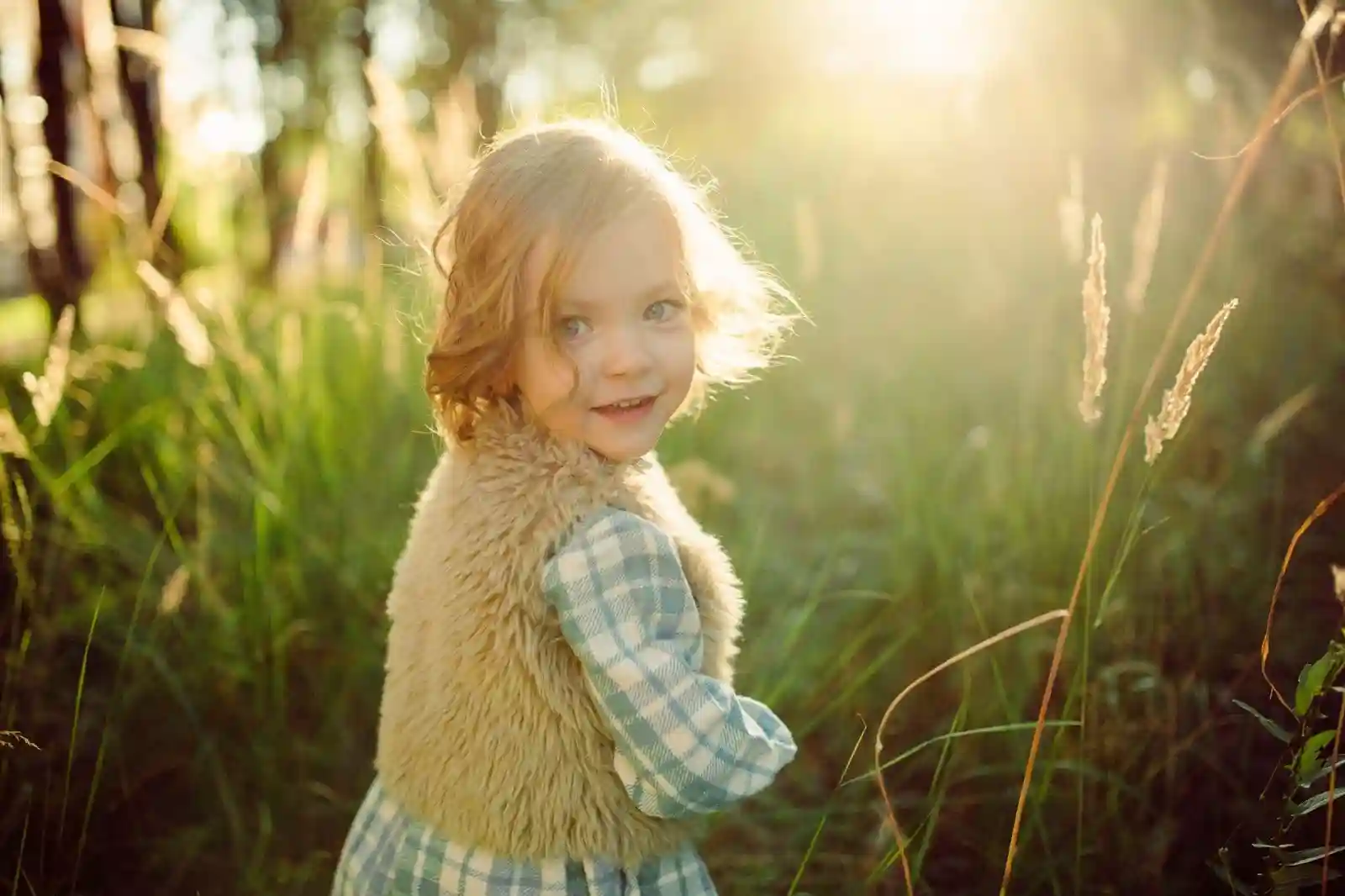
Window light doesn’t just have to be direct. Experiment with backlighting and side lighting for dramatic effects. Backlighting can create a beautiful halo effect around your subject, while side lighting adds dimension and depth. If you’re photographing a person, position them so that the light shines from behind, allowing for a captivating silhouette. You can also get creative with reflections. Use windows to capture reflections of your subject or the surrounding environment. This technique adds layers and interest to your images. Play with angles to discover unique compositions that highlight both your subject and the reflections.
Harnessing Outdoor Light
Outdoor light offers endless possibilities for photographers. However, it also presents challenges. Understanding how to work with natural outdoor light is essential for achieving stunning results.
Best Times for Outdoor Light Photography
Timing is everything in outdoor photography. The golden hour, shortly after sunrise and before sunset, provides the softest light. During this time, the sun is low in the sky, casting a warm glow that enhances colors and reduces harsh shadows. This is the ideal time for portrait and landscape photography.
The blue hour, just before sunrise and after sunset, offers a different quality of light. The sky takes on deep blues and purples, creating a serene atmosphere. This time is perfect for capturing cityscapes or landscapes with dramatic skies.
Finding Shade and Soft Light Outdoors
If the sun is too bright, look for shaded areas where the light is softer. Parks, gardens, and forested areas often provide natural shade. Position your subject in these shaded spots for a more flattering result. You can also use natural reflectors to bounce light back onto your subject. Surfaces like water, sand, or light-colored walls can help fill in shadows and create a more even exposure. This technique is particularly effective when shooting portraits outdoors.
Adapting to Changing Outdoor Conditions
Outdoor light conditions can change rapidly. Being adaptable is key to capturing great images. If the sky is overcast, embrace the soft, diffused light. This type of lighting minimizes harsh shadows and creates a gentle, even exposure.
On sunny days, be prepared to adjust your settings. Use a higher shutter speed to prevent overexposure and consider using a lens hood to reduce glare. Carrying a reflector can also help fill in shadows and create a more balanced look.
Techniques for Creating Soft Lighting
Creating soft lighting is crucial for achieving that clean, polished look in your images. Here are some techniques to help you master this aspect of natural light photography.
Using Reflectors
Reflectors are invaluable tools in natural light photography. They bounce light back onto your subject, filling in shadows and creating a more even exposure. There are various types of reflectors, including collapsible ones that are easy to transport. Position your reflector opposite the light source at an angle to direct light back onto your subject. This technique works wonders for portraits, ensuring that your subject is well-lit without harsh shadows.
The Role of Diffusers
Diffusers are another effective way to soften light. They work by scattering sunlight, creating a more even distribution of light over your subject. You can purchase professional diffusers or create your own using materials like white fabric or paper. When using a diffuser, hold it between the light source and your subject. This will reduce the intensity of the light and minimize harsh shadows. Experiment with different distances to find the perfect balance between softness and brightness.
Layering Light for Depth
To add depth to your images, consider layering different light sources. Combining window light with outdoor light can create stunning effects. For example, if you’re shooting indoors with window light, try opening a door or window to let in additional outdoor light. This can create a beautiful interplay of light and shadow, adding dimension to your images. Understanding the balance between light and shadow is essential. Use shadows to emphasize certain elements in your composition, drawing attention to your subject while keeping the background soft and unobtrusive.
Post-Processing Techniques to Enhance Natural Light Images
While capturing great images in natural light is essential, post-processing can elevate your photos even further. Here are some techniques to enhance your natural light images in post-production.
Adjusting Exposure and Contrast
When editing natural light images, adjusting exposure is crucial. Use editing software to fine-tune the exposure levels, ensuring that your highlights and shadows are well-balanced. If your image appears flat, increase the contrast slightly to add depth and dimension. Be careful not to overexpose highlights or underexpose shadows, as this can lead to loss of detail. Aim for a balanced exposure that maintains the integrity of the natural light you captured.
Color Correction and Balance
Natural light can create beautiful colors, but they may not always appear accurately in your images. Use color correction tools to ensure that skin tones are natural and colors are vibrant. Adjusting the white balance can help shift any unwanted color casts, making your images feel more authentic. Pay attention to the overall mood of your image. Warmer tones may be desirable for a cozy, inviting feel, while cooler tones can create a more dramatic atmosphere.
Retouching for Clean Images
Retouching is an important part of the editing process. Use tools to remove distractions and enhance the overall look of your images. Be subtle in your edits to maintain the natural feel of your photography. Over-editing can lead to an artificial appearance, which detracts from the beauty of natural light. Focus on enhancing details like eyes in portraits or textures in landscapes. Small adjustments can make a significant difference without losing the essence of the natural light you worked hard to capture.
Conclusion
Mastering natural light photography is a journey that can yield stunning results. By understanding how to utilize window light and outdoor light effectively, you can create soft, clean images that resonate with viewers. Remember to experiment with different techniques, be adaptable to changing conditions, and don’t shy away from post-processing to enhance your work. With practice and patience, you’ll unlock the full potential of natural light in your photography.