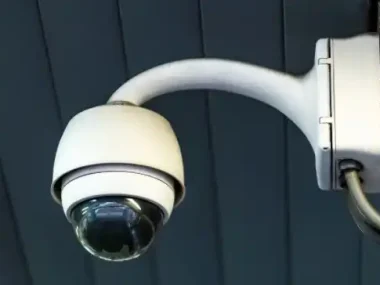
Securing a commercial facility requires strategic planning and the right hardware to monitor large outdoor areas effectively. Pan-Tilt-Zoom cameras are often the preferred choice for roof-level surveillance because they offer a wide field of view and high-definition tracking capabilities.
However, the success of these systems depends largely on how they are attached to the building. Selecting a high-quality PTZ mount is essential to ensure the camera remains stable and functional over time. Here are the primary factors to consider during the installation process.
Structural Integrity and Surface Material
The first consideration for any roof-mounted equipment is the strength of the mounting surface. Commercial roofs can be made of concrete, metal, or membrane materials, each requiring a different approach for attachment.
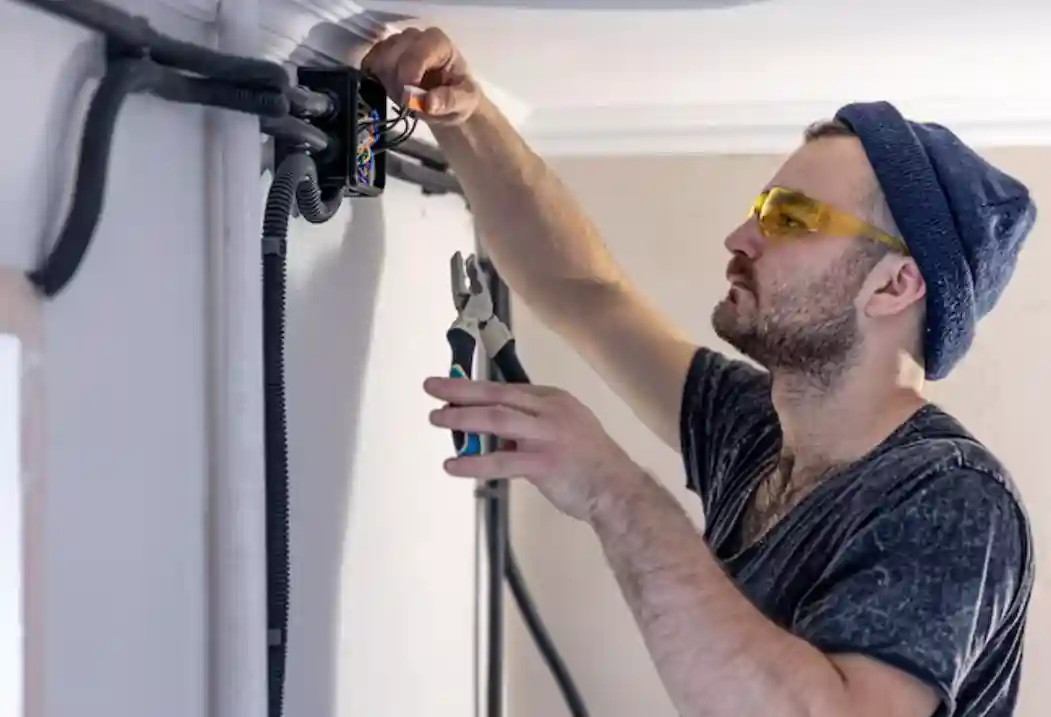
A professional installer must ensure that the chosen ptz mount is compatible with the specific substrate to prevent vibrations or structural failure.
If the mounting point is not solid, the camera may shake during high winds, resulting in blurry footage and potential damage to the internal motors of the surveillance unit.
Resistance to Environmental Elements and Corrosion
Roof environments are particularly harsh due to constant exposure to sunlight, rain, and extreme temperature fluctuations. To maintain long-term reliability, the bracket must be constructed from weather-resistant materials such as powder-coated aluminum or stainless steel.
When selecting a PTZ mount, check for a high IP rating and anti-corrosive finishes. This prevents rust from weakening the structure or seizing the adjustment bolts, which would make future maintenance or repositioning of the camera nearly impossible.
Optimal Height and Line of Sight
The primary reason for a roof installation is to achieve an unobstructed view of the surrounding perimeter. You must calculate the necessary height of the extension pole to clear parapet walls or HVAC units that might create blind spots.
A properly extended PTZ mount allows the camera to tilt downward at a steeper angle, covering areas directly adjacent to the building foundation. Evaluating the line of sight before drilling ensures that your security team can monitor entry points and parking lots without interference.
Cable Management and Waterproofing Measures
Exposed wiring is a significant vulnerability in any security system. A professional installation should utilize hollow brackets that allow cables to run internally, protecting them from UV damage and potential tampering.
Furthermore, the entry point where the PTZ mount meets the roof must be sealed with industrial-grade flashing and waterproof caulking.
This prevents moisture from seeping into the building structure, which could cause internal water damage or electrical shorts within the surveillance hardware.
Accessibility for Future Maintenance and Cleaning
While the goal is to place the camera in a secure, high-vantage point, it must remain accessible for technical support. Lenses require periodic cleaning to remove dust, spider webs, and water spots that can degrade image quality.
Choosing a swivel or fold-down PTZ mount can simplify this process by allowing technicians to reach the camera without using specialized lift equipment. Planning for accessibility reduces long-term operational costs and ensures the system remains in peak condition year-round.
Power Supply and Grounding Requirements
High-performance cameras require stable power, often through Power over Ethernet or dedicated electrical lines. Additionally, roof-mounted metal structures are susceptible to lightning strikes and static buildup.
It is vital to ensure that the camera and its PTZ mount are properly grounded according to local electrical codes. Proper grounding protects the sensitive electronics inside the camera from power surges, ensuring that your commercial property remains protected even during severe weather events.