Choosing your first camera is an exciting step into the world of photography. However, with so many options available, it can feel overwhelming. The right camera can make a significant difference in your learning experience and creative journey. This guide will help you understand how to select the best beginner camera tailored to your needs and budget.
Assessing Your Photography Goals
Before diving into camera specifications, take a moment to reflect on your photography goals. What do you want to capture? Are you interested in landscapes, portraits, street photography, or perhaps wildlife? Understanding your goals will guide you in choosing a camera that suits your style.
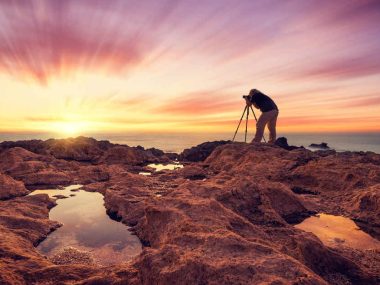
For instance, if you’re drawn to landscape photography, you might want a camera with a wide-angle lens and excellent image quality. On the other hand, if you enjoy capturing fast-moving subjects, like wildlife or sports, you’ll need a camera with a fast autofocus system. Identifying your style is crucial in narrowing down your options.
Setting realistic goals is equally important. As a beginner, it’s essential to be patient and allow yourself the time to learn. Photographers often improve their skills gradually. By setting achievable goals, you can track your progress without feeling overwhelmed. This mindset will help you select a camera that supports your journey rather than complicates it.
Understanding Your Budget
Budgeting is a key factor when it comes to choosing a camera. Establishing a clear budget will help you focus on options that are both suitable and affordable. Camera prices can vary significantly, so knowing your financial limits will narrow down your choices.
When considering your budget, remember that the cost of a camera body is just the beginning. You’ll also need to budget for lenses, memory cards, a sturdy bag, and possibly a tripod. These accessories can add up quickly, so plan accordingly. It’s essential to account for these additional costs to avoid surprises later on.
Value is another critical aspect to consider. While it’s tempting to go for the cheapest option, it’s important to assess whether a camera offers good value for your investment. A more expensive camera may come with advanced features that can enhance your photography experience. Striking a balance between price and value will help you make a wise investment.
Types of Cameras for Beginners
When choosing your first camera, it’s helpful to know the different types available on the market. Each type has its strengths and weaknesses, making them suitable for various photography styles and preferences.
DSLR Cameras are popular among beginners for several reasons. They offer excellent image quality, interchangeable lenses, and a robust selection of features. DSLRs are versatile and allow for creative control, making them a favorite among aspiring photographers. However, they can be bulky, which may not suit everyone’s preference.
Mirrorless Cameras have gained popularity in recent years. They are generally lighter and more compact than DSLRs, making them easier to carry around. Mirrorless cameras also offer advanced features, such as fast autofocus and high frame rates. These cameras are great for beginners who want the flexibility of interchangeable lenses without the bulk of a DSLR.
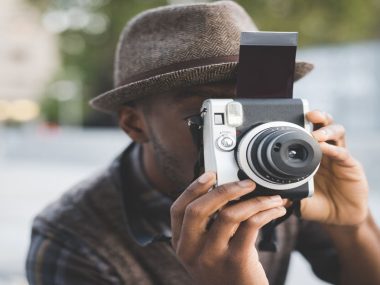
Point-and-Shoot Cameras are another excellent option for beginners. They are lightweight, compact, and user-friendly. Point-and-shoot cameras are designed for simplicity, allowing you to focus on capturing moments rather than adjusting settings. While they may not offer the same level of control as DSLRs or mirrorless cameras, they are perfect for casual photography.
Key Features to Look For
As you explore your camera options, consider the essential features that can enhance your experience. Knowing what to look for will help you make an informed decision.
Megapixels and Image Quality are often among the first factors to consider. While more megapixels can lead to higher resolution images, it’s not the only factor that determines image quality. Look for a camera that performs well in various lighting conditions and produces sharp images. A camera with good dynamic range and color accuracy will help you capture stunning photos.
Ease of Use and User Interface are also crucial for beginners. A user-friendly camera can make your learning process much smoother. Look for a camera with intuitive controls, clear menus, and a comfortable grip. A touchscreen interface can also be beneficial, allowing for quick adjustments and easy access to settings.
Connectivity Options have become increasingly important in today’s digital world. Many beginner cameras now come with Wi-Fi and Bluetooth capabilities. These features allow you to connect your camera to your smartphone or tablet, making it easy to share your photos on social media or remotely control your camera. Connectivity options can significantly enhance your photography experience, making it more enjoyable.
Researching Camera Brands
When it comes to choosing a camera, brand reputation matters. Some brands are known for producing beginner-friendly cameras with reliable performance and excellent customer support.
Research popular camera brands and compare their offerings. Canon, Nikon, and Sony are three of the most well-known brands, each with a wide range of beginner-friendly options. Olympus and Fujifilm also offer excellent cameras that cater to beginners. Understanding brand reliability can help you feel more confident in your purchase.
Another important aspect is the warranty and after-sales support provided by the brand. A good warranty can offer peace of mind, especially for beginners who may be unsure about their choice. Look for brands that provide comprehensive support, as this can make your experience much smoother.
Additionally, consider the brand ecosystem. Some brands have a broader range of lenses and accessories available. This can be beneficial as you grow in your photography journey and want to expand your gear. Choosing a brand with a solid ecosystem ensures that you have access to the tools you need as you advance.
Trying Before You Buy
One of the best ways to choose the right camera is to try it out before making a purchase. Hands-on experience can give you valuable insights into how a camera feels and functions.
Many camera shops offer the opportunity to test cameras in-store. Take advantage of this by visiting local retailers. You can hold the camera, see how it feels in your hands, and assess its weight. Comfort is essential, especially if you plan to carry your camera for extended periods.
When testing a camera, pay attention to its handling and ergonomics. A camera that feels comfortable will make your photography experience more enjoyable. Additionally, try out various features in real scenarios. Capture images in different lighting conditions to see how the camera performs. This practical experience will help you evaluate its capabilities based on your photography goals.
Reading Reviews and Getting Recommendations
In today’s digital age, gathering information is easier than ever. Reading reviews and seeking recommendations can provide valuable insights into camera performance and user satisfaction.
Look for reliable online resources that offer in-depth reviews of beginner cameras. Photography forums, blogs, and YouTube channels can be excellent sources of information. Engaging with photography communities can also provide insights and recommendations based on real-world experiences.
Making the Final Decision
After conducting thorough research and testing cameras, it’s time to make your final decision. Summarize your findings and experiences to help you narrow down your options. Consider the features that matter most to you and how they align with your photography goals.
Don’t rush the decision-making process. Take your time to reflect on what you’ve learned and how each camera meets your needs. Choosing the right camera is a personal decision that should feel right for you.
Conclusion
Choosing the best beginner camera may seem daunting, but with the right guidance, it can be an exciting journey. By assessing your photography goals, understanding your budget, and exploring different camera types, you can make an informed decision.
Remember to consider essential features, research brands, and test cameras before making your purchase. Engaging with the photography community and reading reviews will provide valuable insights. Ultimately, the right camera will support your growth as a photographer and help you capture the moments that matter most.
Take the plunge and invest in a camera that feels right for you. Embrace the learning process and enjoy the journey ahead. Your adventure in photography is just beginning, and with the right tools, you’ll be able to create memories that last a lifetime.