Many aspiring photographers believe that professional-quality images require expensive, high-end gear. This assumption often delays progress, creates unnecessary pressure, and shifts focus away from what truly matters: skill, technique, and creative decision-making. In reality, beginner cameras are more capable than ever. With the right approach, they can absolutely produce professional-looking photos.
The difference between amateur and professional results rarely comes down to the camera alone. It lies in how effectively the photographer uses available tools. Understanding how to maximize a beginner’s camera’s potential is the real key to producing compelling, high-quality images.
Understanding the Capabilities of Beginner Cameras
Entry-level cameras today are powerful. They come equipped with advanced sensors, intelligent autofocus systems, and built-in shooting modes that simplify complex tasks. For beginners, these features provide a strong foundation to learn and experiment.
Most beginner cameras offer sufficient resolution for prints, online publishing, and even commercial use. They also support interchangeable lenses, allowing users to expand creative possibilities over time. In many cases, the gap between beginner and professional cameras is not as large as people assume.
However, limitations do exist. Entry-level models may struggle in extremely low-light conditions or fast-moving scenes. Build quality and durability might also be less robust. But these limitations rarely prevent a skilled photographer from achieving excellent results. Instead, they encourage smarter shooting and better planning.
Key Factors Affecting Photo Quality
Sensor Size and Image Resolution
The sensor plays a central role in determining image quality. Larger sensors generally capture more light, which improves detail, dynamic range, and low-light performance. Many beginner cameras use APS-C or Micro Four Thirds sensors, which are still capable of producing sharp, detailed images.
Resolution matters, but only to a point. A camera with 16–24 megapixels is more than sufficient for most professional uses. The real advantage comes from how well you expose and compose the shot. A properly exposed image from a beginner camera often looks better than a poorly handled image from a high-end device.
Lens Quality and Versatility
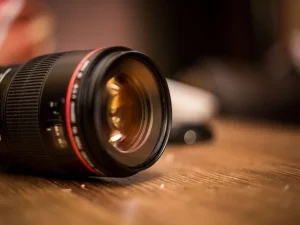
Lenses have a greater impact on image quality than the camera body itself. A beginner camera paired with a high-quality lens can outperform an expensive camera with a basic kit lens.
Investing in a versatile lens, such as a prime lens with a wide aperture, can dramatically improve sharpness and depth of field. It also allows for better performance in low-light conditions. Even on a budget, upgrading a lens is one of the most effective ways to elevate results.
Camera Settings and Manual Controls
Understanding exposure settings is essential for achieving professional-quality photos. ISO, shutter speed, and aperture work together to control light and motion. Mastering these elements gives photographers creative control over the final image.
Beginner cameras often include manual modes that allow users to experiment and learn. Instead of relying solely on automatic settings, practicing manual adjustments helps develop a deeper understanding of photography fundamentals. This knowledge translates directly into better results.
Composition and Technique Over Equipment
Rule of Thirds and Framing
Composition is one of the most overlooked aspects of photography. Even with basic equipment, strong composition can make an image look polished and intentional. The rule of thirds is a simple guideline that helps position subjects in a visually appealing way.
Framing also plays a critical role. Using natural elements like windows, doors, or branches can guide the viewer’s eye and add depth. These techniques require no additional investment, yet they significantly enhance image quality.
Lighting and Exposure
Lighting is arguably the most important factor in photography. Professional photographers focus heavily on understanding light rather than upgrading gear. Natural light, when used effectively, can produce stunning results.
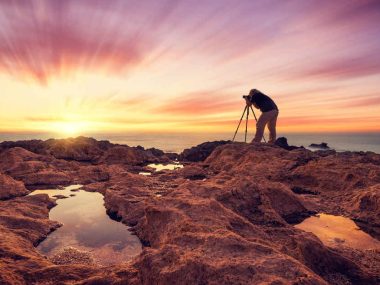
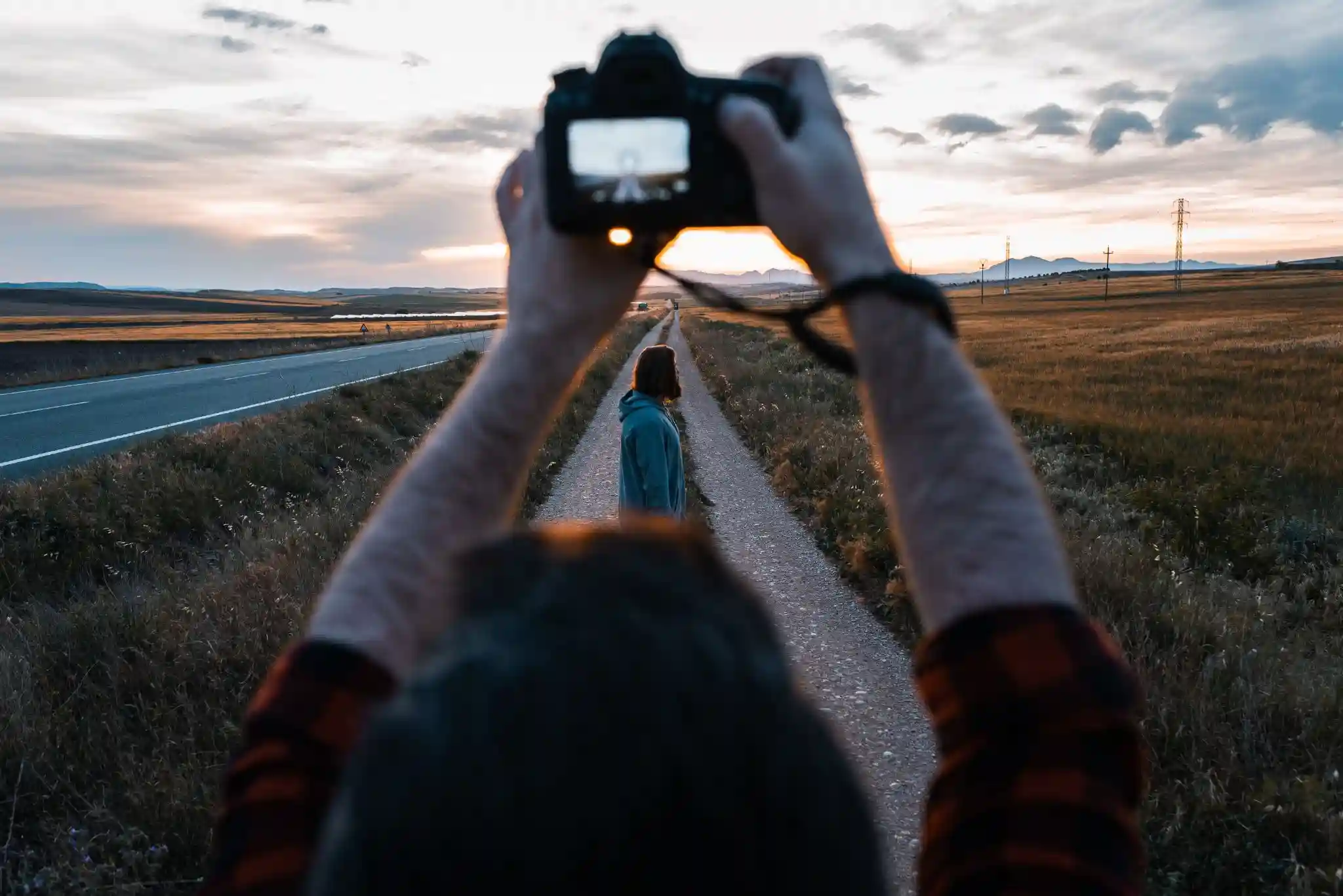
Shooting during golden hour, positioning subjects near windows, or using shadows creatively can elevate even simple images. Beginner cameras perform best when lighting conditions are favorable. Learning to work with available light reduces the need for expensive equipment.
Stability and Focus Techniques
Sharp images are a hallmark of professional photography. Camera shake and poor focus can ruin an otherwise strong shot. Using a tripod, stabilizing your posture, or increasing shutter speed can prevent blur.
Focus techniques also matter. Understanding autofocus modes and selecting the correct focus point ensures that the subject remains sharp. Practicing these fundamentals leads to consistent, high-quality results.
Post-Processing and Editing
Editing is where good photos become great. Even professional photographers rely on post-processing to refine their images. Beginner camera professional photos often reach their full potential during this stage.
Basic adjustments such as exposure correction, contrast, and color balance can significantly improve an image. Cropping helps refine composition, while sharpening enhances detail. The key is subtlety. Over-editing can make images look artificial and reduce their impact.
Free or affordable editing tools provide powerful features for beginners. Learning how to use them effectively is just as important as mastering camera settings. Editing bridges the gap between what the camera captures and what the photographer envisions.
Real-World Examples of Professional Results with Entry-Level Cameras
Many successful photographers began their journey with entry-level cameras. Their portfolios demonstrate that creativity and technique matter more than equipment. In real-world scenarios, beginner cameras are often used for portraits, travel photography, and even commercial projects.
Side-by-side comparisons between beginner and professional cameras often reveal minimal differences under good lighting conditions. The viewer’s perception is shaped more by composition, lighting, and editing than by technical specifications.
This reality highlights an important point: upgrading gear should not be the first step. Maximizing existing equipment provides better long-term growth and a stronger foundation in photography.
Accessories That Elevate Beginner Photography
While a beginner camera is capable on its own, a few strategic accessories can enhance performance. A tripod improves stability and enables long exposures. An external flash provides better lighting control in challenging environments. Reflectors help manipulate natural light for more balanced results.
These tools are relatively affordable and offer significant benefits. Instead of investing heavily in a new camera, beginners should consider accessories that expand creative possibilities. Small upgrades often deliver noticeable improvements in image quality.
Practice, Patience, and Skill Development
Photography is a skill that improves with time and consistent effort. Owning better equipment does not replace practice. Beginners should focus on shooting regularly, experimenting with settings, and analyzing their results.
Reviewing images critically helps identify areas for improvement. Understanding mistakes, such as poor exposure or weak composition, leads to better decision-making in future shoots. Patience is essential. Professional-quality results come from repeated practice and gradual refinement.
Developing a unique style also takes time. As photographers gain experience, they begin to recognize patterns in their work and refine their creative approach. This personal style is what ultimately distinguishes professional photographers from beginners.
Strategic Thinking: When to Upgrade and When Not To
One of the biggest challenges beginners face is deciding when to upgrade equipment. Marketing often encourages early upgrades, but this can hinder skill development. Upgrading too soon may mask weaknesses rather than address them.
A better strategy is to upgrade only when limitations become clear. For example, if low-light performance consistently affects your work or if your current lens restricts creative options, an upgrade may be justified. Until then, maximizing existing tools is more effective.
This approach ensures that every upgrade is purposeful and aligned with real needs. It also prevents unnecessary spending and encourages a deeper understanding of photography fundamentals.
Conclusion
Beginner cameras are more capable than ever before. They provide all the essential tools needed to create high-quality images. The real difference lies in how those tools are used. By focusing on composition, lighting, and technical understanding, photographers can produce results that rival professional standards. Strategic use of accessories, thoughtful editing, and consistent practice further enhance image quality. Professional photography is not defined by the price of the camera. It is defined by the vision, skill, and discipline of the person behind it. With the right mindset and approach, achieving professional-quality photos with a beginner camera is not only possible but it is entirely within reach.