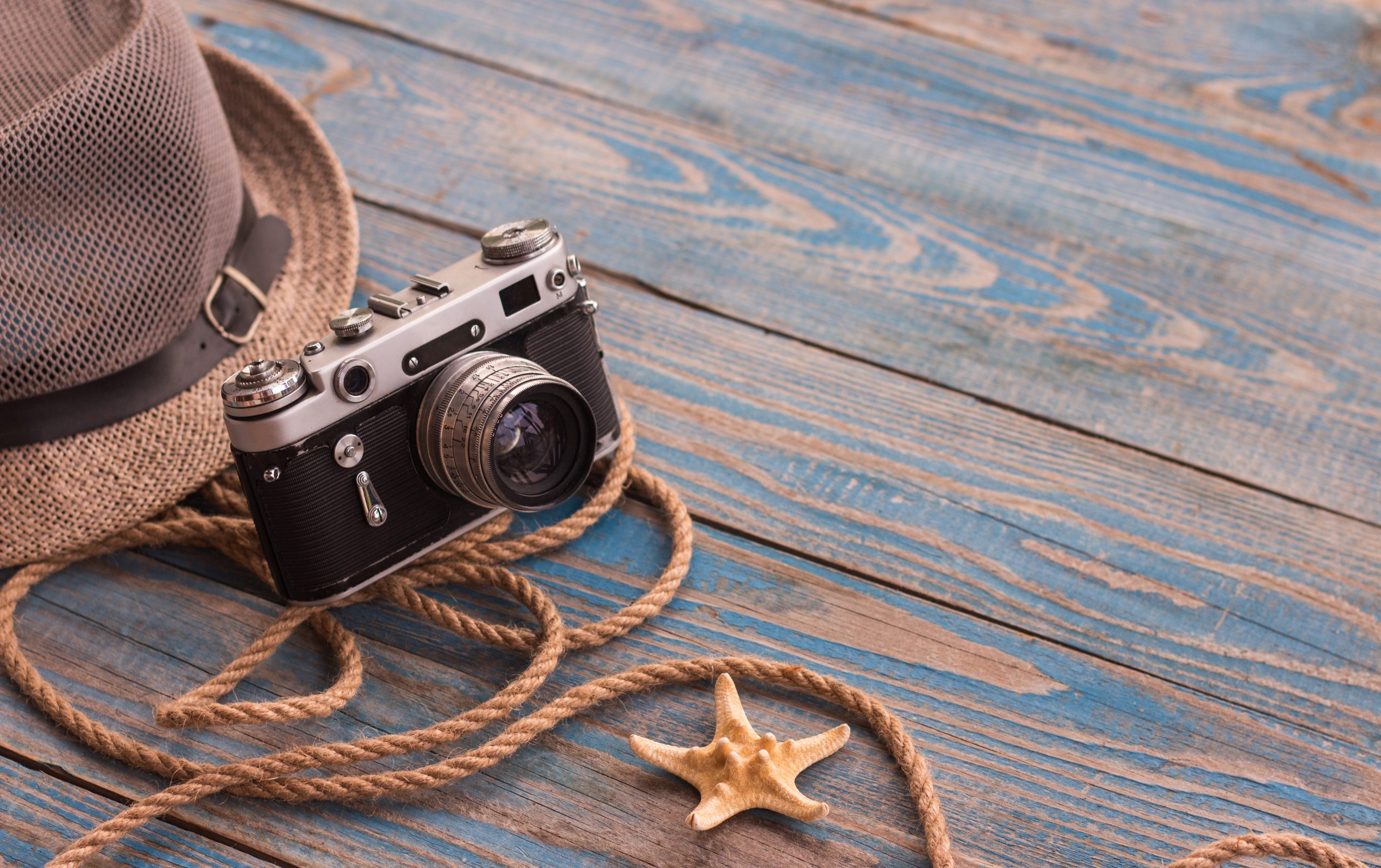
Travel Photography Tips can transform your journeys into timeless stories, capturing not just stunning landscapes but the emotions and narratives that make every trip unforgettable. Whether you’re a beginner or seasoned explorer, these 10 essential strategies—from mastering natural light to embracing cultural respect—will help you create images that evoke powerful memories and inspire others to see the world through your lens. Dive in to elevate your skills and turn ordinary snapshots into extraordinary tales.
A photographer seeking to capture images of people, locations, and images in the travel industry is known as a travel photographer.
The different styles and themes of travel photography include: landscapes and street scenes, portraits and cultural events. It attempts to capture the spirit of the place and people portraying not just the scenes but also the experiences that make up a voyage. The best travel photography narrates an experience, creates feelings and takes the audience to the time and place of the capture.
What is so special about Travel Photography?
Travel photography can be used in a variety of purposes:
- Recording Memories: It enables the traveler to record his or her experiences and have a memory to reminisce upon.
- Sharing Stories: Photos can also serve to tell stories and express emotions that cannot be achieved through words, since it is easier to share the experiences with others.
- Cultural Exchange: The taking of photos of other cultures allows one to understand and appreciate diversity and make foreign locations familiar with home.
Travel Photography Tips to Stunning Travel Photos
1. Plan Your Shots
Though spontaneity is one of the most important aspects of traveling, planning can help improve your photography output. Learn about the sights you are going to beforehand to find out the best iconic destination and find the hidden places. Think of the most appropriate times to light and crowd, and make a loose agenda to make sure that you do not miss some important moments.
2. Get to Know Your Equipment
Get to know your camera or smartphone prior to your trip. It will be easier to take the pictures that you have in mind when you know its features, settings and capabilities. Learn about:
- Exposure: The aperture, shutter speed and ISO are some of the factors you will learn on how to adapt to light conditions.
- Composition: Learn the simple tricks of composition like the rule of thirds, leading lines and framing so that you can produce more attractive pictures.
3. Embrace Natural Light
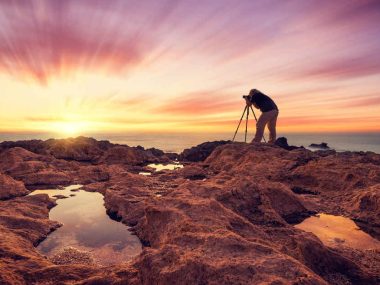
Natural light has the ability to affect the quality of your pictures. The golden hour is the period just after sunrise and before sunset which gives soft and warm light that makes landscapes and portraits impressive. Avoid extreme midday light that may cause some ugly shadows. When necessary to shoot during this period, find some shaded places or reflectors to make the light soft.
4. Seize Creative Visions
Do not make the same shots as the rest of the world have made by trying out different angles and perspectives. The following are some of the techniques to consider:
- Get Low: A low angle shot may help to give drama in your photographs and to bring out the foreground.
- Change Your Spacing: Use close shots to include information and wide shots to include the context. Combining such visions will make a more dynamic series of photos.
- Change Your Lens: Where you have interchangeable lenses, then one should use a wide-angular lens when taking landscape shots and a telephoto lens when you are taking shots of distant objects.
5. Include People in Your Shots
It can be recommended to include people in your traveling photos to add context and emotion. Even simple snapshots of people in their everyday activities, or pictures of people you encounter, can be very informative on culture and community. In the case of photographing individuals, it should never be done without permission, particularly in situations where intimacy is involved.
6. Tell a Story
Each image must have a narrative or a feeling. Consider what you would like to express at every shot. Think about the inclusion of details that are contextual like local architecture, street signs or cultural items. Your photographs will be more interesting by capturing images of moments of interaction, celebration or routine.
7. Edit Thoughtfully
Your travel pictures can be developed better through post-processing. Editing software or apps can be used to modify exposure, contrast, saturation, and sharpness. Nevertheless, strive to make natural-edited pictures that make the image look good without being too overdone. You can also achieve a unified appearance of your travel portfolio by cutting in a consistent manner.
8. Be Respectful and Mindful
When taking photographs in other cultures, one should be considerate of the local practices and cultural beliefs. Other communities might have a limitation to photography and mainly in places of worship or during religious functions. Ask permission at all times and remember that your presence could be disruptive to the people and places that you are capturing.
9. Practice Patience
It is usually necessary to be patient in order to get the perfect shot. It does not matter what you are waiting on, be it the right time, lighting or subject, take your time. Pay attention to what is around you, and get prepared to take those unplanned shots as they come by. In photography, the most perfect photographs are the ones that happen at an unexpected time.
10. Keep Shooting
The greater the practice, the greater the improvement of skills. Use all the chances to shoot, try various techniques and learn something. There is nothing to be scared of; the mistakes can bring many good lessons and make you create your own style.
Frequently Asked Questions
Which equipment will be needed in travel photography?
An excellent camera is a necessity though it does not have to be costly. A large number of photographers employ DSLR cameras or mirrorless cameras. Nevertheless, even high-quality smartphones are able to take beautiful pictures of travels. It might be a good idea to carry a tripod, spare batteries and memory cards.
What can I do to become a better composer?
Learn the basics of composition, including the rule of thirds, leading lines and framing. Exercise by taking pictures using such techniques. Look at the works of other photographers and get inspired and study their structures.
Should I be editing my travel photos?
You can edit your pictures but make sure that you do not make them look unnatural. This is because with simple tweaking such as the use of crop, exposure and color correction, your photos will be greatly enhanced. Apply editing applications or software to edit your pictures once taken.
Conclusion
Travel photography is an art which consists in capturing the essence of what you go through and what stories one place tells. Reflecting on a place you have traveled, by simply thinking ahead, letting in natural light, exploring different viewpoints, and honoring the cultures of the location, you will be able to capture beautiful images. Keep in mind that you are not only supposed to take pictures but also record moments that would stick to you and bring memories many years after you travel. Travel photography can be an effective way of telling stories and sharing your experiences in the world and with practice and passion, your travel photography can be a great way to do it.